
In recent years, the warehousing and logistics industry has undergone a profound transformation. Traditional warehouses—once the backbone of storage operations—are rapidly being replaced or upgraded into automated warehouses. While many companies have already embraced warehouse automation to reduce costs, increase efficiency, and improve workplace safety, others are still hesitant to make the shift.
If you are considering optimizing your warehouse layout or upgrading your storage systems, understanding the differences between traditional, semi-automated, and automated warehouses is essential. Below is a detailed comparison to help guide your warehouse modernization strategy.
1. Traditional Warehouse
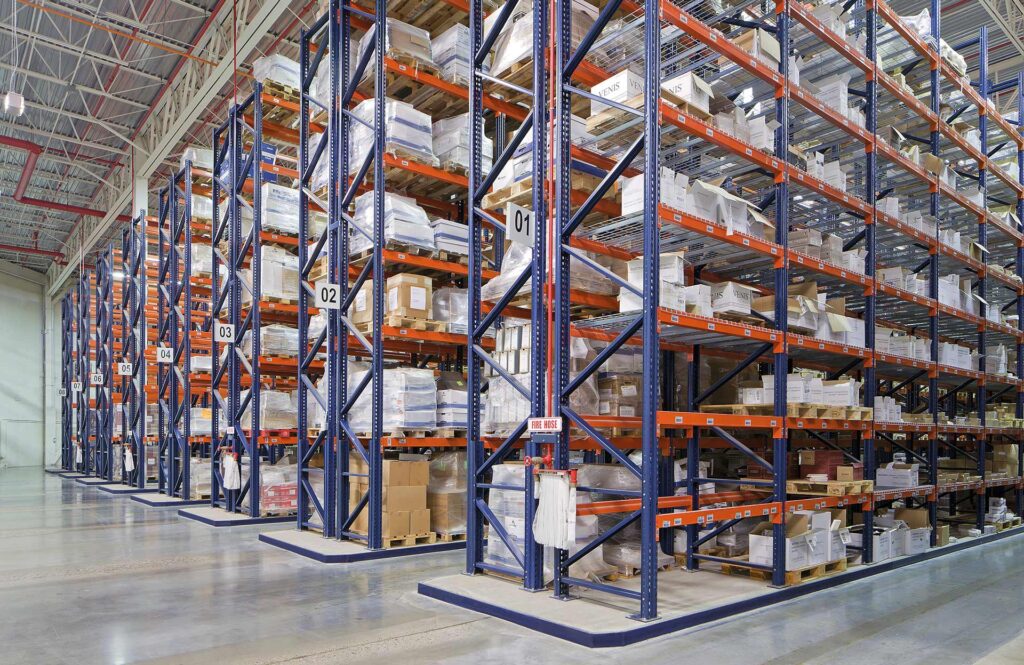
A traditional warehouse is operated mainly through manual labor. Most daily processes—such as picking, packing, transporting, and loading—are executed by workers without the assistance of advanced automation technologies.
In this setup, operators move to the goods, either by walking to the storage location or transporting items manually or with basic equipment. Industrial pallet racks, forklifts, pallet jacks, and manual handling systems remain the core tools of operation.
While traditional warehouses are easier and cheaper to set up, they often face challenges such as:
-
Higher labor costs
-
Increased picking errors
-
Lower operational efficiency
-
Higher safety risks
-
Limited scalability
Some minimal automation, like conveyors or forklift trucks, may be used, but the workflow remains largely manual.
2. Semi-Automated Warehouse
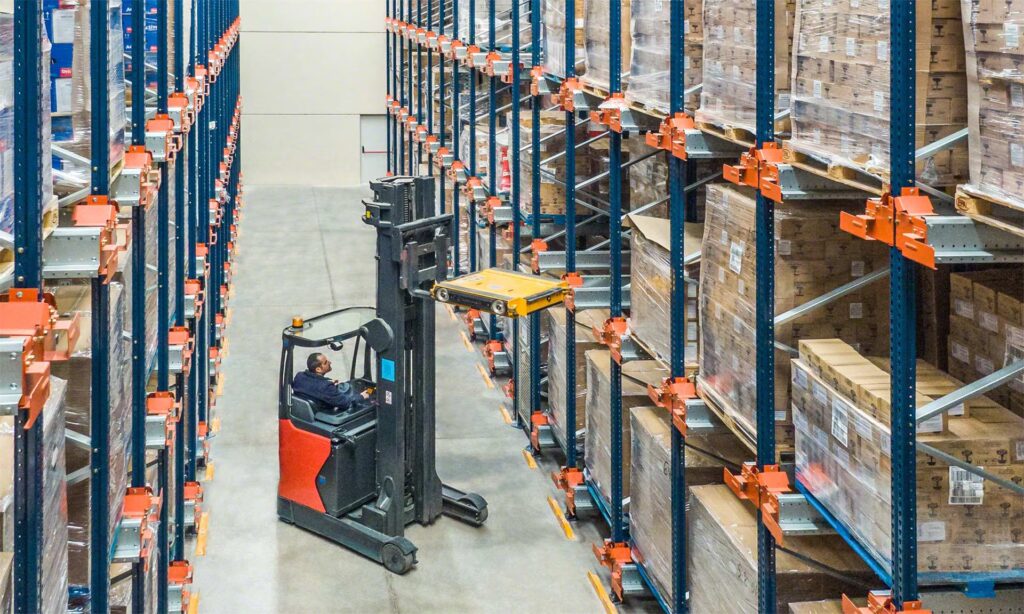
A semi-automated warehouse bridges the gap between manual operations and full automation. Companies choose this model when they want to reduce errors, increase picking efficiency, or prepare for future full automation while keeping investment moderate.
Semi-automated warehouses often include:
-
Automated storage systems (e.g., Pallet Shuttle, carton flow systems)
-
Warehouse Management Systems (WMS)
-
Barcode or RFID systems for more accurate picking
-
Partial conveyor systems
These solutions help businesses:
-
Reduce picking mistakes
-
Improve productivity in specific warehouse areas
-
Optimize space utilization
-
Lower operating costs without a full automation investment
Transitioning from manual to semi-automated processes is often the first step toward long-term scalability and efficiency.
3. Fully Automated Warehouse
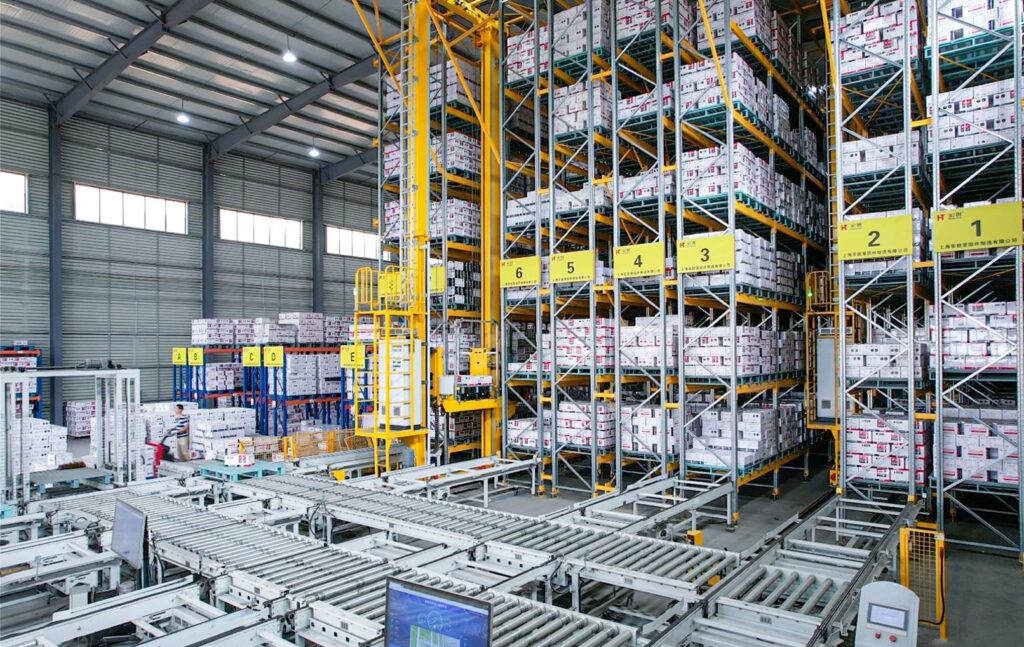
A fully automated warehouse represents the highest level of technological advancement in logistics. These facilities rely extensively on automated systems for storage, retrieval, sorting, and transportation.
Common systems used include:
-
AS/RS (Automated Storage and Retrieval Systems) for pallets or totes
-
Stacker cranes with integrated WMS connectivity
-
Conveyors and sortation systems
-
Pallet Shuttle Systems
-
Robotic picking solutions
In these environments, goods move to the operator, not the other way around. Robotics and automation ensure fast, accurate, and safe operations.
Benefits of a fully automated warehouse include:
-
Significant reduction in labor costs
-
Faster order processing
-
Higher storage density
-
Enhanced safety
-
Better customer experience due to fewer errors
-
24/7 operational capability
Automated warehouses are designed for companies aiming for high throughput, large-scale e-commerce operations, or long-term cost efficiency.
Conclusion
Choosing between a traditional, semi-automated, or fully automated warehouse depends on your business size, budget, throughput requirements, and long-term strategy. While traditional warehouses offer simplicity, automation delivers unmatched efficiency, safety, and scalability.
Upgrading your warehouse—whether partially or fully—can significantly enhance productivity and reduce operational costs, helping your business stay competitive in a rapidly evolving logistics landscape.